
Telephone Cable
What Is Telephone Cable
A telephone cable, also known as a phone cable or twisted pair cable, is a type of communication cable commonly used for telephone line connections. It consists of two or more insulated wires twisted together to reduce electromagnetic interference, encased in a protective sheath. Telephone cables are used to transmit analog signals between devices, such as landline telephones or modems. They can be either made of copper or fiber optic materials, depending on the type of connection needed.
Advantages of Telephone Cable
Reliable Communication: Telephone cables are known for their reliability in communication. They are designed to withstand harsh weather conditions, physical strains and electromagnetic interference, and can provide uninterrupted communication.
Cost-Effective: Telephone cables are cost-effective as compared to other communication mediums like wireless and satellite communication. They have a lower setup cost and are not prone to interference or signal loss.
Increased Bandwidth: With advancements in technology, telephone cables can now provide higher bandwidth, allowing for high-speed data transfer and internet connectivity.
Long-Distance Transmission: Telephone cables can transmit data over long distances without signal degradation or interference. This makes them ideal for long-distance communication, especially in rural areas where other forms of communication may not be available.
Security And Privacy: Unlike wireless communication, which can be intercepted or hacked, telephone cables provide a secure and private mode of communication. The signals are confined to the cables, reducing the risk of eavesdropping or interception.
Versatility: Telephone cables can be used for other applications besides telephone communication. They can also be used for data transmission or Internet connection, making them a multi-purpose cable.
-
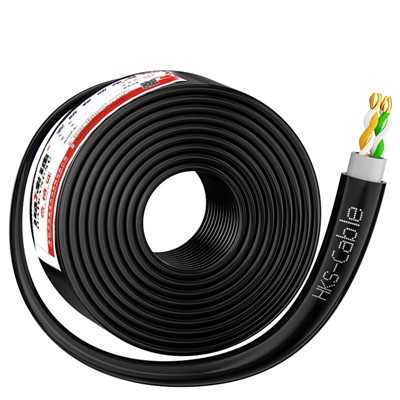
![HKS Telephone 4-core Outdoor Cable Cat3 305M 1000Ft 4N OFC Black]() HKS Telephone 4-core Outdoor Cable Cat3 305M 1000Ft 4N OFC BlackProduct Features:Double Sheath: The cable features a dual-layer design with an outer sheath made ofread more
HKS Telephone 4-core Outdoor Cable Cat3 305M 1000Ft 4N OFC BlackProduct Features:Double Sheath: The cable features a dual-layer design with an outer sheath made ofread more -
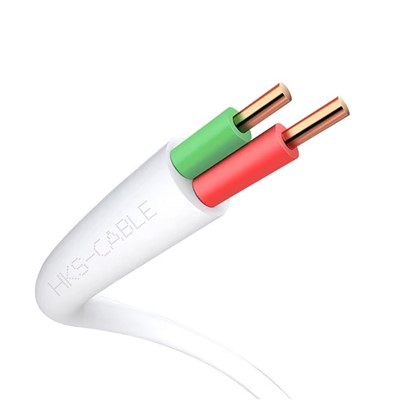
![2 Core Telephone Wire]() 2 Core Telephone Wire2 Core Telephone Wire - Product FeaturesHigh-Quality Copper Conductors: Made with premium copper conread more
2 Core Telephone Wire2 Core Telephone Wire - Product FeaturesHigh-Quality Copper Conductors: Made with premium copper conread more -
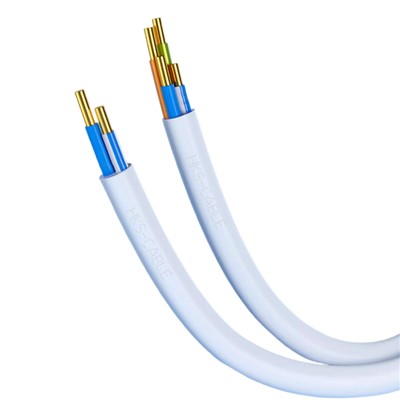
![4 Core Telephone Line]() 4 Core Telephone LineProduct FeaturesThe 4-core telephone cable is designed for versatile communication needs. It supportread more
4 Core Telephone LineProduct FeaturesThe 4-core telephone cable is designed for versatile communication needs. It supportread more -
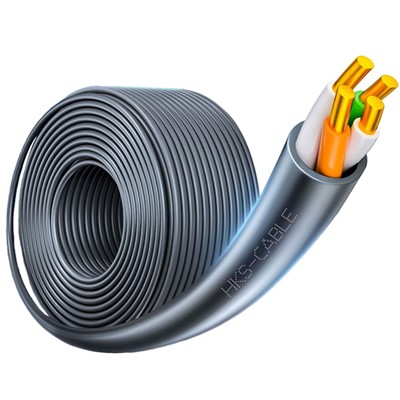
![cat3 telephone cable]() cat3 telephone cableProduct FeaturesOur Cat3 telephone cable is a high-quality communication cable featuring 2 pairs andread more
cat3 telephone cableProduct FeaturesOur Cat3 telephone cable is a high-quality communication cable featuring 2 pairs andread more
Why choose us
Rich Experience
Our company has many years of production work experience. The concept of customer-oriented and win-win cooperation makes the company more mature and stronger.
One-stop Solution
With rich experience and one-to-one service,we can help you choose products and answer technical questions.
Quality Control
We have professional personnel to monitor the production process, inspect the products and ensure that the final product meets the required quality level standards, guidelines and specifications.
Advanced Equipment
Equipment based on the latest technological developments has higher efficiency, better performance and stronger reliability.
Competitive Price
We have professional sourcing team and cost accounting team, stive to reduce cost and profit and provide you a good price.
After-Sale Service
Professional and thoughtful after -sales team, let you worry about us after -sales Intimate service, strong after -sales team support.
Different Types of Telephone Cables
Telephones have been around for over a century. The cables that connect them have also evolved over time. Today, there are different types of telephone and data cables for various purposes. Understanding each can help you choose the right cable for your communication needs
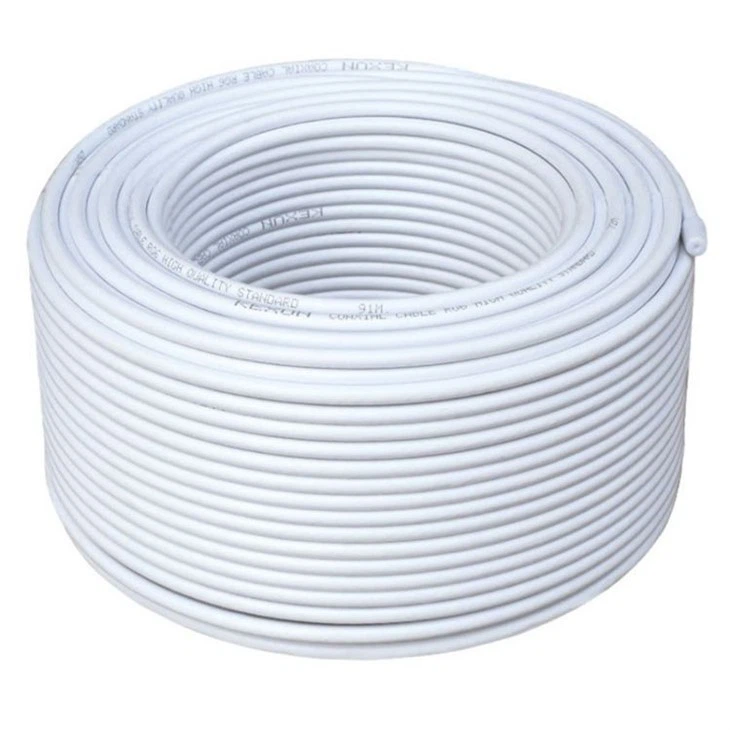
Coaxial Cable
Coaxial cables are ideal for cable television and broadband internet. They have a copper core surrounded by layers of insulation and braided shielding. The shielding helps to reduce interference from other electronic devices, thus improving signal quality.
Fibre Optic Cable
Fibre optic cables are used for high-speed internet and digital telephone services. They consist of thin strands of glass or plastic that transmit data using light signals. Fibre optic cables can also transmit data over long distances without losing signal strength. Thus making them ideal for long-distance communication.
Shielded Twisted Pair Cable
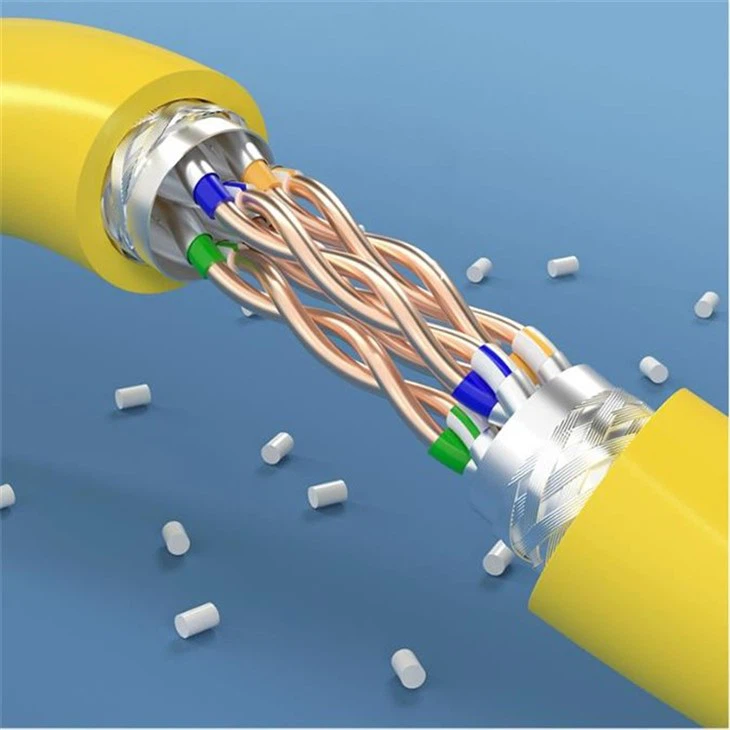
Shielded twisted pair cables are similar to twisted pair. Except that the shielded type offers an extra layer of shielding. They are commonly used for Ethernet networks and can support data transfer speeds of up to 10 Gbps.
Multi-Pair Cable
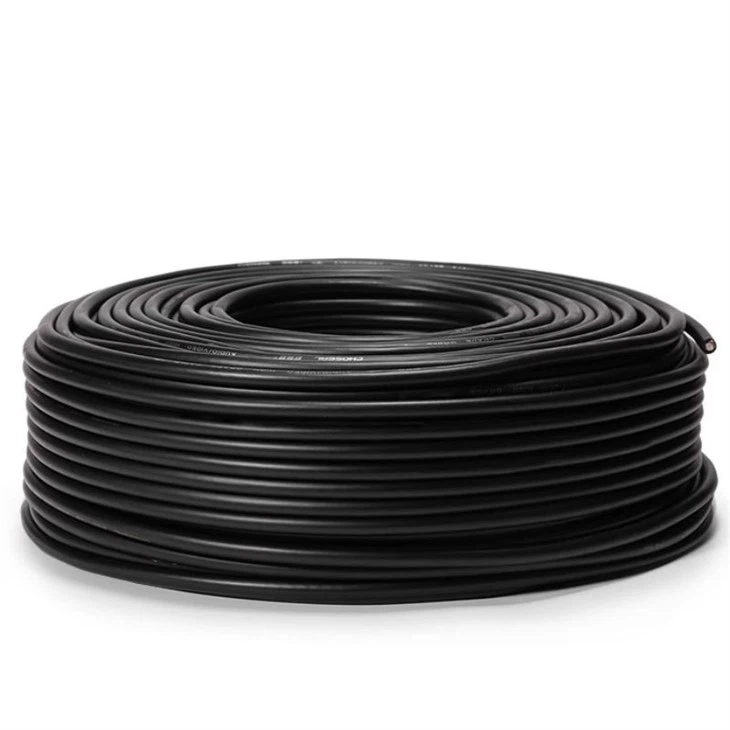
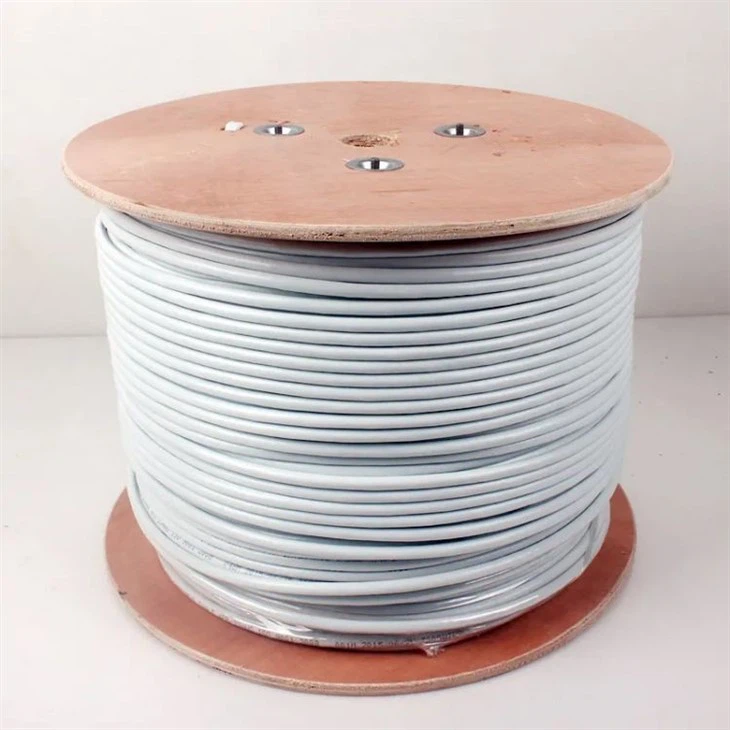
Multi-pair cables are used for telephone systems that require multiple lines. They consist of several twisted pairs of wires housed in a single cable. Multi-pair cables can also support up to 25 lines, making them ideal for large offices or call centres.
Twisted Pair Cable
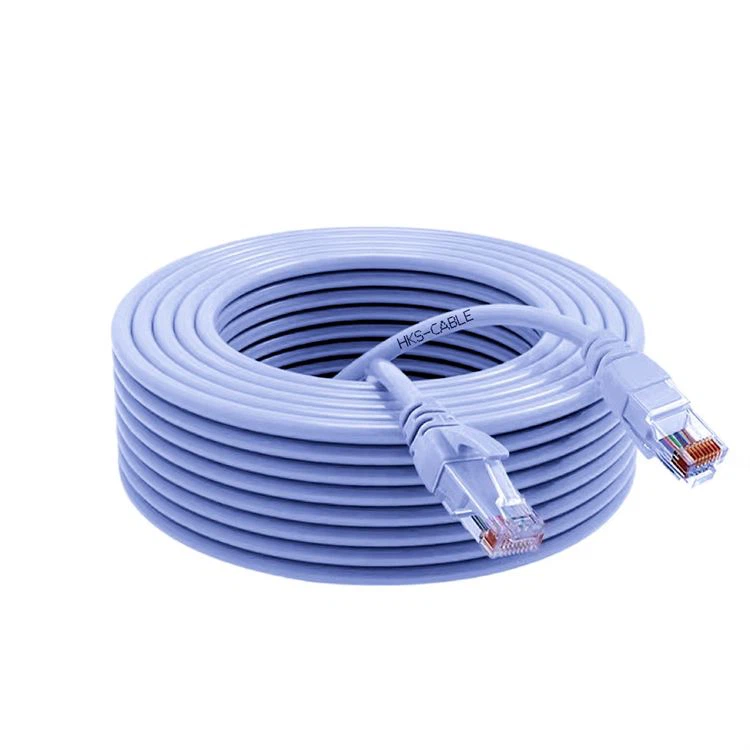
Twisted pair cables are used for traditional landline telephones and Ethernet networks. They consist of two copper wires twisted together. The design helps to reduce interference.
Cat5e And Cat6 Cables
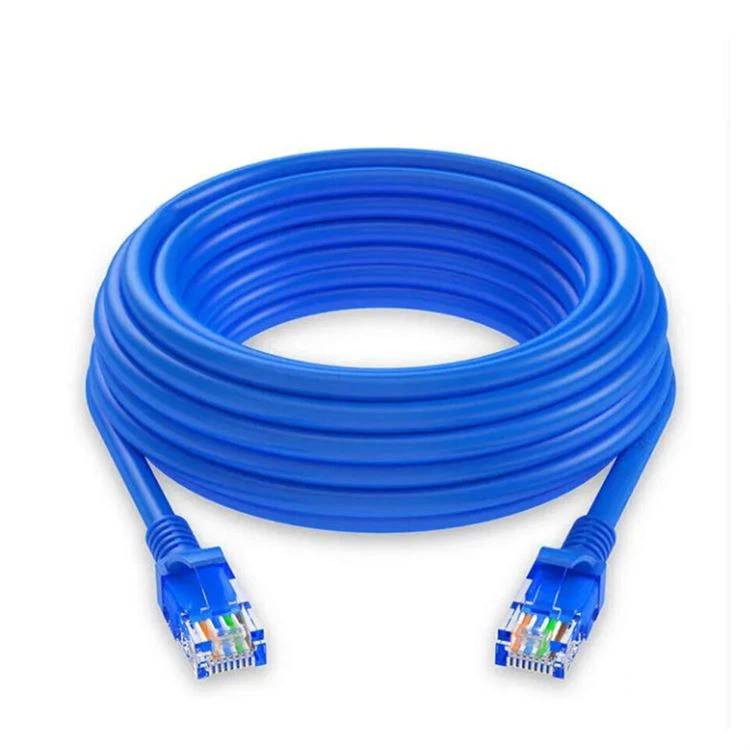
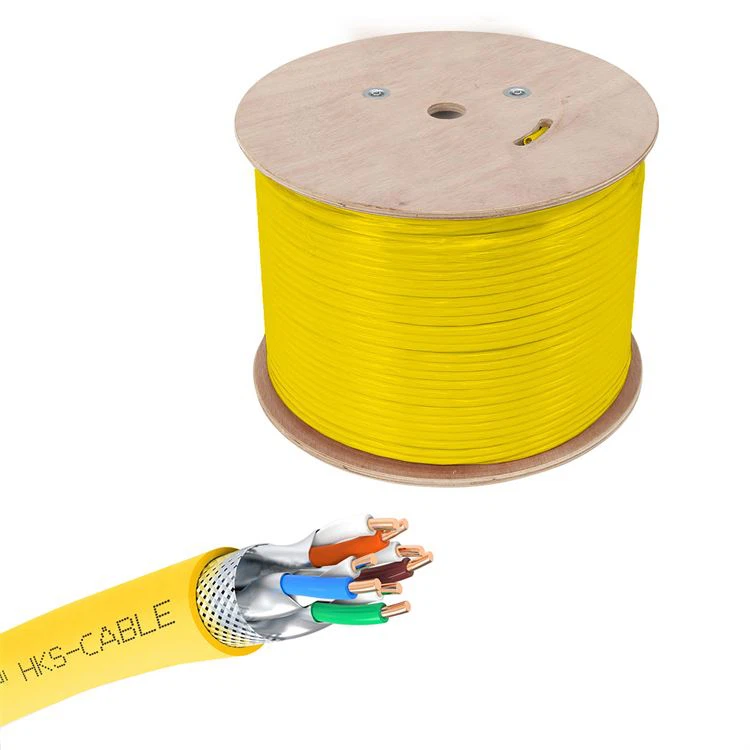
Cat5e and Cat6 cables are used for Ethernet networks. They can support data transfer speeds of up to 1 Gbps and 10 Gbps. They are made of twisted pairs of copper wires and have a plastic coating.
Telephone Cable of Ethernet Cable- What’s the Difference
Telephone and ethernet cables look very similar and it’s not hard to get the two mixed up. The main difference between the two types is the speed of voice and/or data transmission and the size of the connectors on the ends of the cable.
Telephone cables have the ability to operate a network through Frequency Division Multiplexing (FDM). This is a technique that transmits the data at a different frequency than voice traffic. Think of it kind of like a multi-lane freeway. There are multiple lanes, and each lane is used to carry a separate signal.
Ethernet cable, aka network cable, is the most common type of cable used for network connectivity. These cables can be split up into several different types including shielded twisted pairs and unshielded twisted pairs. Ethernet cables are also rated by category; Cat5e, Cat6, and Cat6a are the most common types. They can also be separated as UPC and APC. Those types of cables depend on the twisting of pairs of wires to reduce loss of signal.
Ethernet cables have RJ45 connectors. These are similar to the RJ11 telephone cable connectors, but use 8 pins and are a little bit bigger.
The Uses of Telephone Cables
Telephone cables have a wide range of uses beyond just landline telephones. Without them, many of the technologies we rely on today would not be possible. This type of cabling also comes in handy in
Internet Connection
Telephone cables are can create a DSL (digital subscriber line) connection. DSL is a type of internet connection that uses telephone lines to transmit data. This allows you to access the internet without needing a separate cable or fibre optic line.
Cable Television
Cable companies use an HFC (hybrid fibre-coaxial) network to transmit television signals. This network uses a combination of fibre optic and coaxial cables. In return, both deliver television programming to your home. The coaxial cable part of the network is made up of telephone cables.
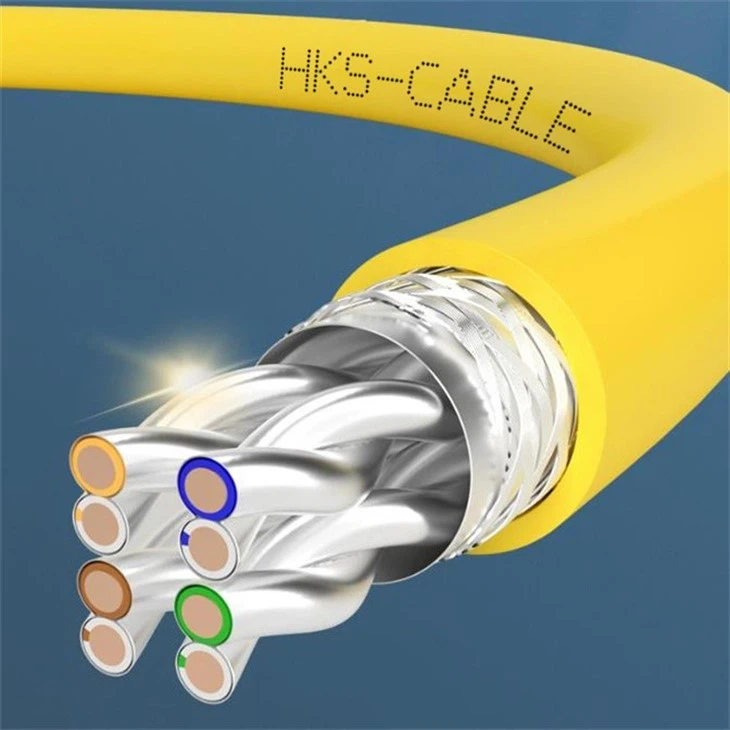
Security System
Many security systems use landline telephones to connect to monitoring centres. When the alarm is triggered, the telephone line sends a signal to the monitoring centre. This allows the monitoring centre to take action if necessary.
Medical Equipment
Many medical devices, such as EKG machines, use telephone cables to transmit data. This data is sent to a computer or monitoring station. Then, medical professionals can review it and make decisions about patient care.
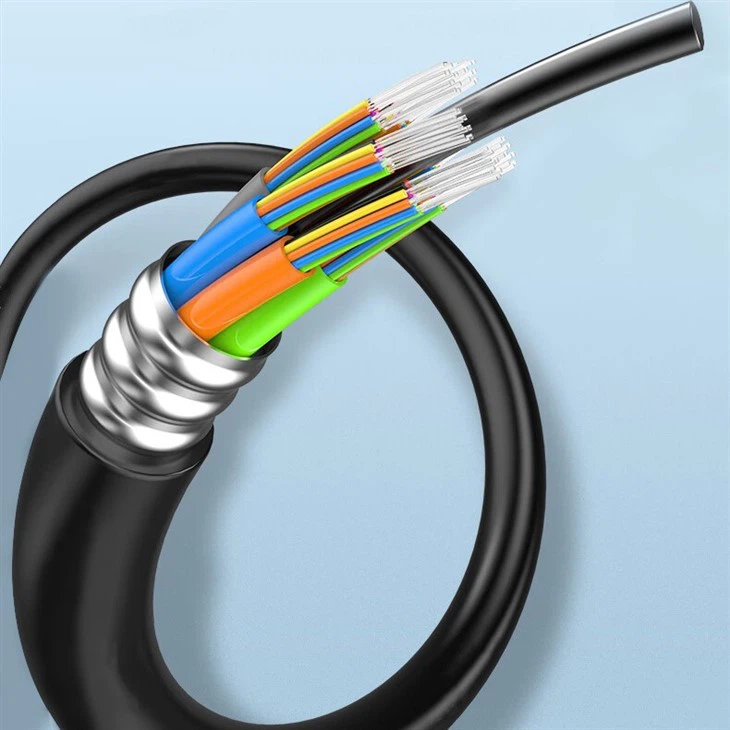
Here Are The Basic Phone Line Installation Steps
Determine The Installation Location: Determine the location to install the telephone base and ensure that there is an effective telephone socket at that location.
Choose a Phone Line: Choose a phone line that suits your needs, and be sure to use good quality wires.
Peel Off The Outer Sheath: Use stripping pliers or a stripping knife to peel off a section of the outer sheath of the cable to expose the four inner strands.
Note: Before installing telephone lines, it is best to consult a professional electrical or telephone installer. When installing telephone lines, make sure to follow relevant safety regulations, turn off the power and disconnect the cables to avoid any risk of electric shock.
Connect The Phone Socket
Connect the phone cord to the phone socket, making sure the connection is deep into the socket. Secure the phone cord to the outlet according to the type of outlet you have.
Connect The Telephone
Connect the other end of the telephone line to the telephone, and insert the telephone line into the jack of the telephone terminal.
Test The Phone
Plug the phone into the socket, dial the test phone number, check whether the phone line is connected correctly, and test whether the voice and data connections are normal.
Components Of Telephone Lines
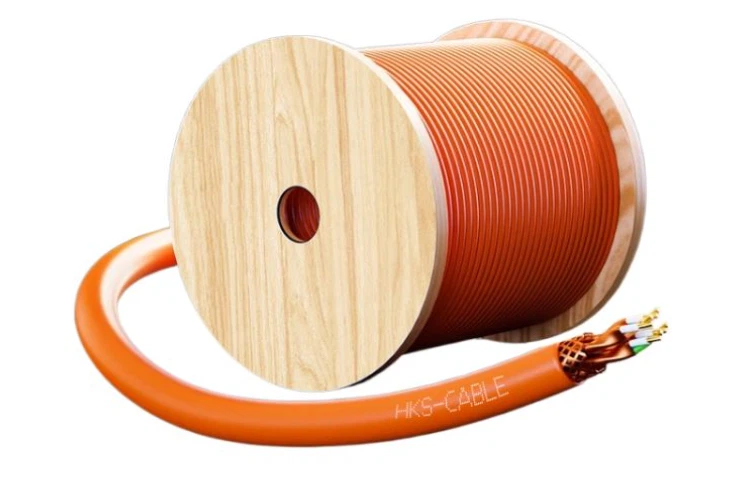
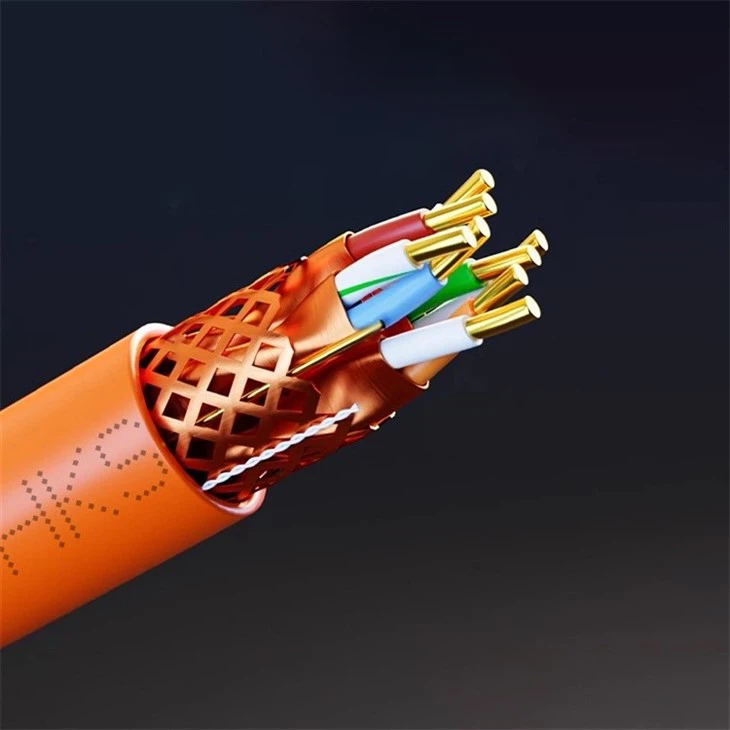
Cable Core Wire: Cable core wire is the core part of the telephone line. It is composed of copper, aluminum and other metal conductors and is responsible for transmitting signals.
Insulating Material: Insulating material is wrapped around the cable core to prevent signal leakage and interference with other cable cores.
Outer Sheath: The outer sheath is the outermost layer that protects the telephone line. It is usually made of polyethylene, polyvinyl chloride and other materials to prevent the line from being damaged or damaged.
Connector: Connector is a component that connects telephone lines. It can be divided into two forms: plug and socket.
Splitter: A splitter can divide a telephone line into multiple lines, providing multiple telephone interfaces while ensuring the signal quality of each interface.
Line Terminal: The line terminal is a small box connected between the telephone line and the telephone set. It is usually installed on the wall, sends and receives signals, and provides power supply and signal boosting functions.
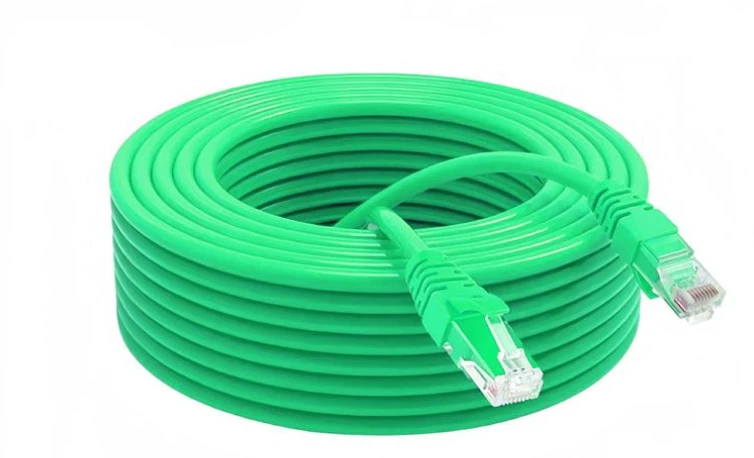
The Working Principle Of The Telephone Line
The working principle of the telephone line is based on the principle of transmitting sound signals, using electrical signals to transmit the sound signals to the remote receiving end.
Telephone lines usually consist of two wires, one positive and one negative. When the phone is connected to the line, the microphone is connected to the positive pole and the headset is connected to the negative pole. At this time, a DC circuit is formed between the positive pole and the negative pole. When a call is initiated, the microphone converts the sound into an electrical signal and transmits it to the receiving end through the positive electrode.
During the transmission process, the telephone line will continuously oscillate through the electrical signal, forming a series of electromagnetic waves, corresponding to the fluctuations of the sound. These electromagnetic waves are transmitted to the remote receiving end, which converts the electrical signals into corresponding sound signals so that the receiving end's earphones can hear the other party's voice.
Phone Cord Material
The Main Materials Of Telephone Lines Are As Follows
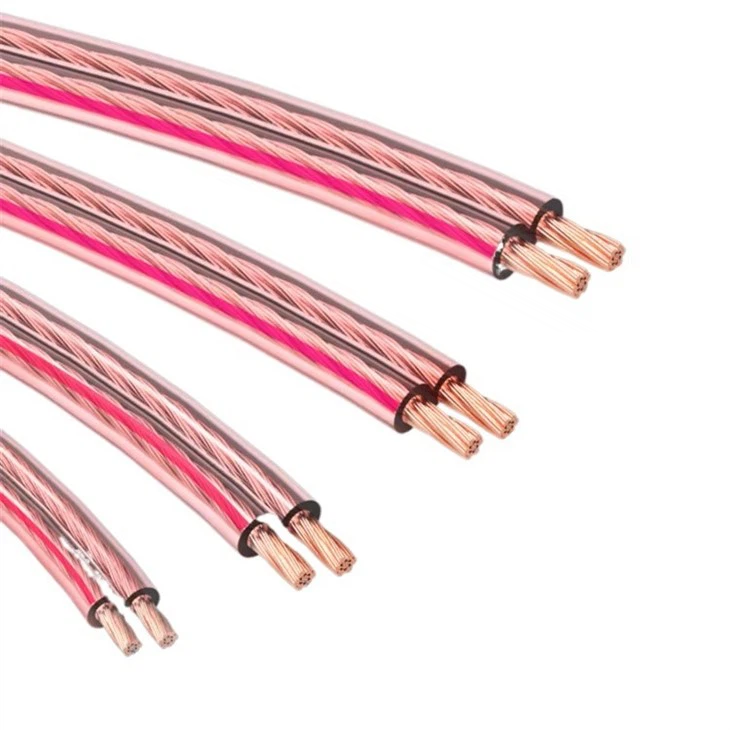
Copper Wire
Copper wire is a commonly used phone line material because of its good conductivity and corrosion resistance.
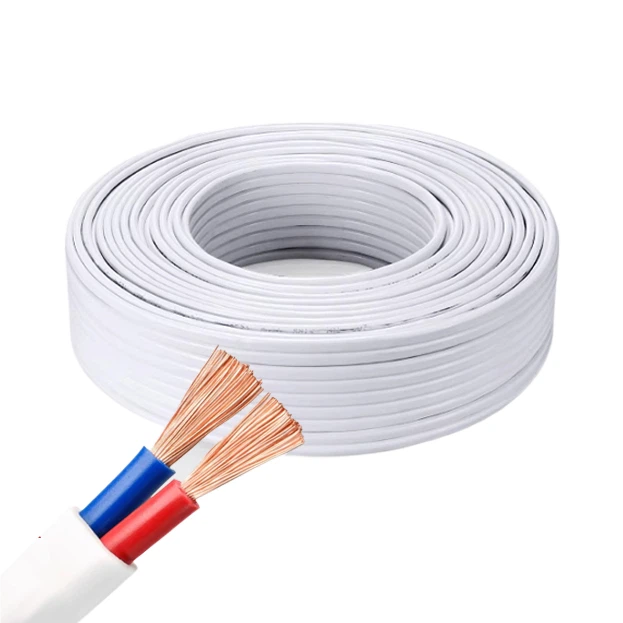
Aluminum Wire
Although aluminum wire is cheaper than copper wire, it is often used for low-load telephone lines because it is not as conductive as copper wire.
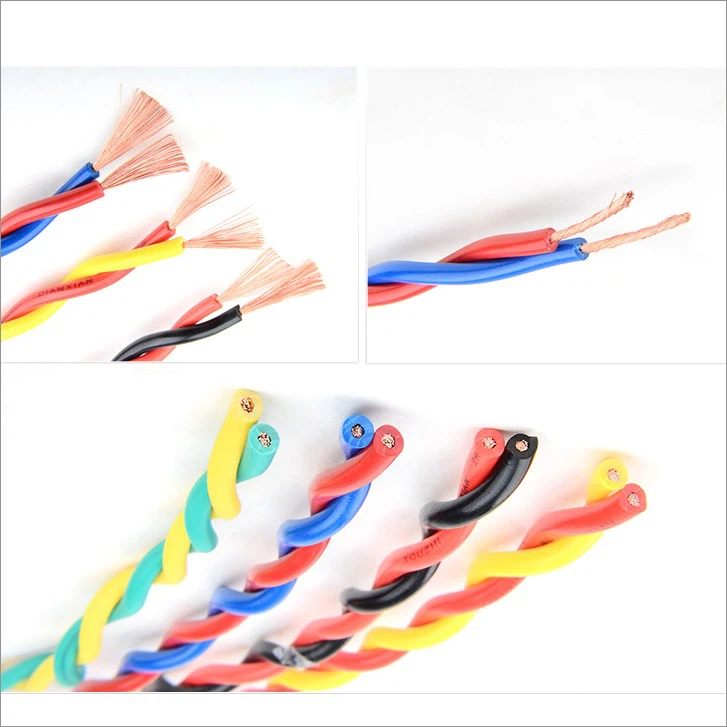
Optical Fiber
Optical fiber is a slender wire with a plastic or glass casing that can transmit digital and analog signals. Because optical fiber has the characteristics of high-speed transmission rate and high signal fidelity, it is widely used in long-distance telephone and Internet communications.
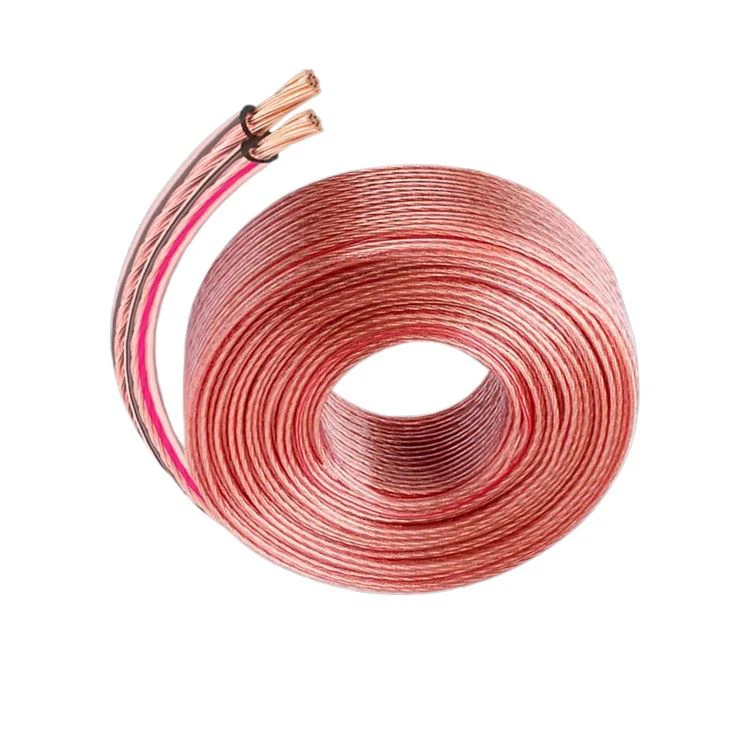
Cable
Telephone cable is formed by braiding or wrapping multiple thin copper or aluminum wires. It has better immunity to noise interference than a single wire, so it is widely used in buildings and underground telephone line installations.
Telephone Line Maintenance And Precautions
As an essential communication tool in our lives, telephone lines are very important to maintain and pay attention to. The following are some telephone line maintenance and precautions
Avoid Line Damage: Telephone lines are generally made of copper wires, so bending, twisting, and pulling of the lines should be avoided as much as possible during use to avoid damage to the line connectors.
Keep It Dry And Ventilated: Telephone lines should be installed in a well-ventilated area to prevent moisture and high temperature environments. You can also increase the use of lines.
Prevent The Line From Being Subject To Strong Vibration: Avoid strong vibration, impact or wear on the phone line during use. For example, avoid nails and other sharp objects from scratching the phone line. This can protect the integrity of the line.
Pay Attention To Eliminating Interference: If you find noise, unclear calls, etc. in telephone communications, you should promptly check and eliminate the source of interference, such as avoiding long lines such as telephone lines and cables running side by side, and minimizing interference such as environmentally friendly electrical appliances.
Regular Inspection: Regularly check the connectors, plugs and leads of the telephone line for looseness, aging, damage, poor contact and other problems.
Avoid Overly Long Lines: If the communication line is too long, it will increase the probability of line interference and loss, so it is necessary to avoid overly long lines as much as possible.
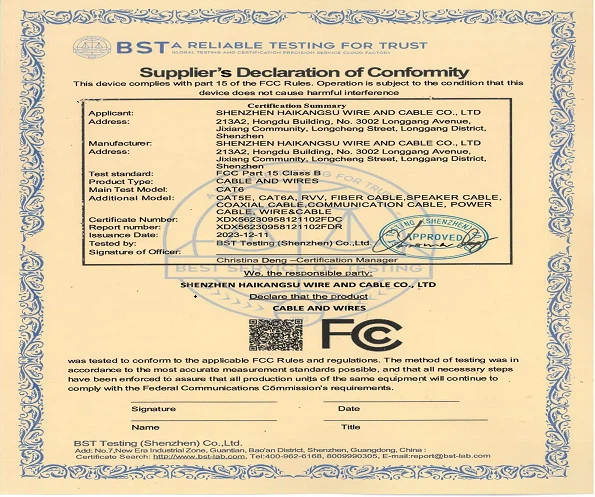
Certifications

Our Factory
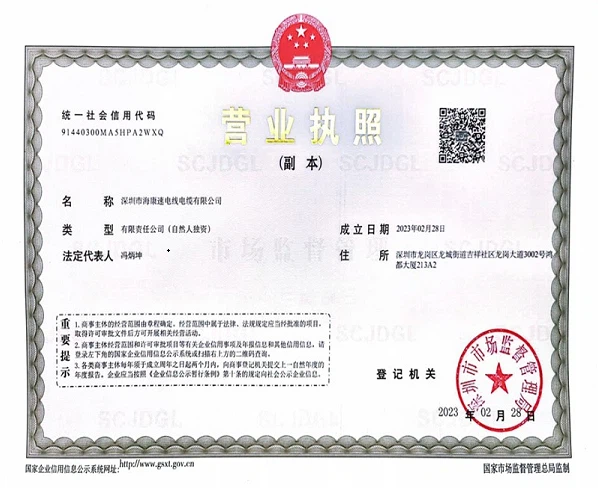
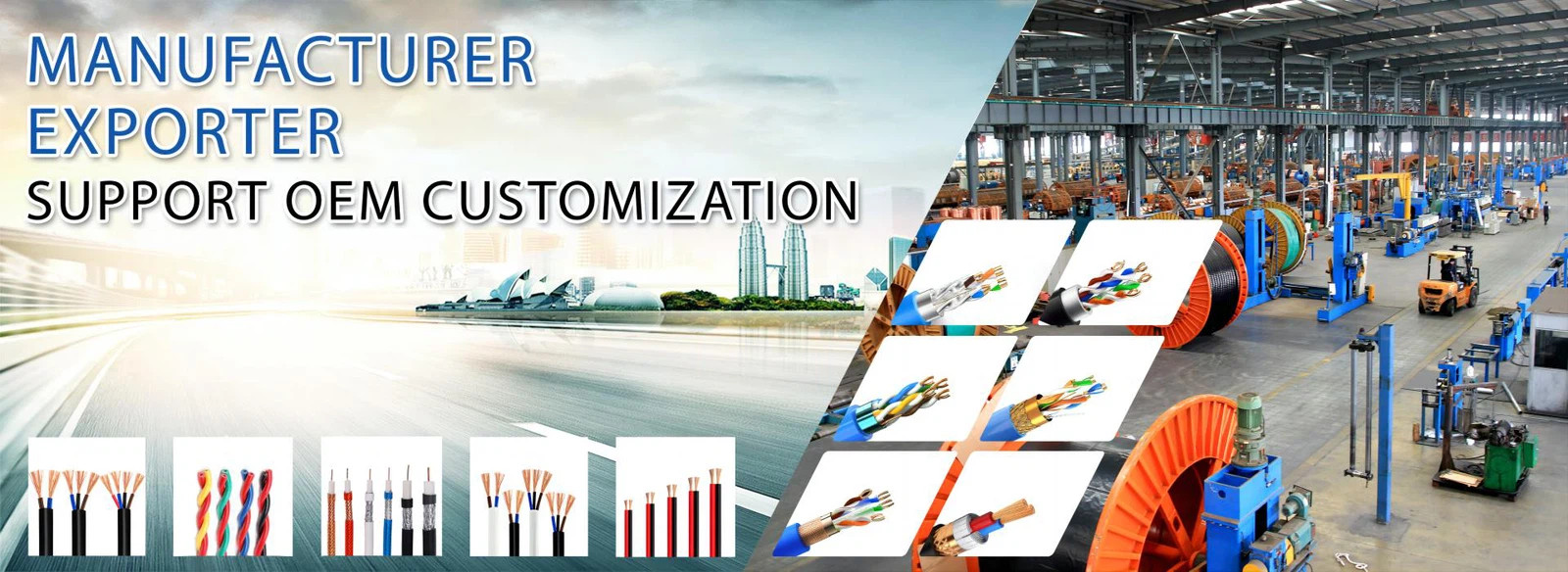
Shenzhen Haikang Plastic Wire and Cable Co., Ltd. is a comprehensive trading company specializing in the production and processing of copper core cables and wires. The company has advanced production equipment, a strong technical team, and complete testing methods. With strong technical expertise, first-class equipment and perfect management system, it takes a leading position in innovative cable design and manufacturing. The company has its own factory in Chigang Town, Jieyang City, Guangdong Province, China, with a fifteen-year development history and rich production experience.
FAQ