Power Cable
Your Leading Power Cable Supplier
Shenzhen HaiKangSu wire & Cable Co., Ltd., is a professional integrated trading company specializing in the production and processing of copper-core cables and wires. Power cable is a cable used to transmit and distribute electrical energy.Commonly used in urban underground power grid, the outgoing line of power station, internal power supply of industrial and mining enterprises and underwater transmission lines. In the electric power line,the proportion of the cable is gradually increased.
-
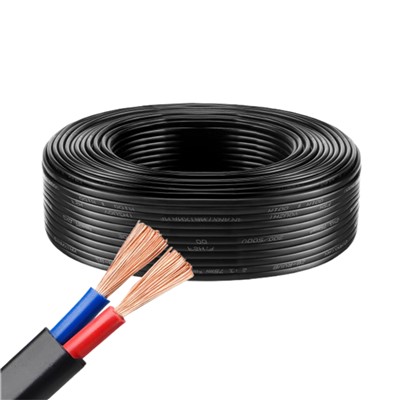
![Outdoor Copper Electrical Wire]() Outdoor Copper Electrical WireProduct Features:Outdoor Copper Electrical Wire features two flat conductors for easy installation aread more
Outdoor Copper Electrical WireProduct Features:Outdoor Copper Electrical Wire features two flat conductors for easy installation aread more -
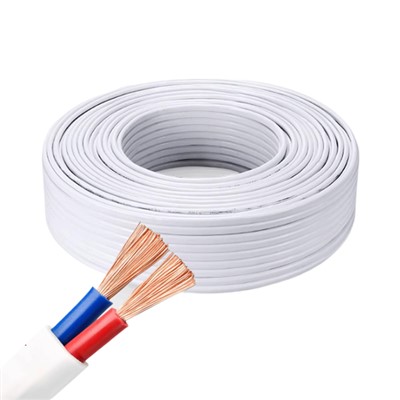
![2 Core Flat Cable]() 2 Core Flat Cable2 Core flat cable is a versatile wire suitable for various indoor wiring applications. Its flat desiread more
2 Core Flat Cable2 Core flat cable is a versatile wire suitable for various indoor wiring applications. Its flat desiread more -
![2 Core Flexible Copper Wire]() 2 Core Flexible Copper Wire2 Core Flexible Copper Wire is a flexible electrical cable typically consisting of two copper conducread more
2 Core Flexible Copper Wire2 Core Flexible Copper Wire is a flexible electrical cable typically consisting of two copper conducread more -
![Double Core Cable]() Double Core CableProduct FeaturesOur 2-Core Cable stands out as a high-quality solution tailored for diverse electricread more
Double Core CableProduct FeaturesOur 2-Core Cable stands out as a high-quality solution tailored for diverse electricread more -
![Electrical Power Cable 3 Core]() Electrical Power Cable 3 CoreProduct Features:The 3 Core Wire boasts high-purity copper conductors for efficient electrical signaread more
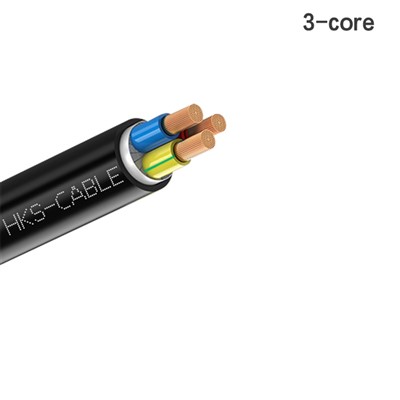
Electrical Power Cable 3 CoreProduct Features:The 3 Core Wire boasts high-purity copper conductors for efficient electrical signaread more -
![4 Core Electrical Power Cable]() 4 Core Electrical Power CableProduct FeaturesThe 4 Core Electrical Power Cable includes four high-purity copper conductors, proviread more
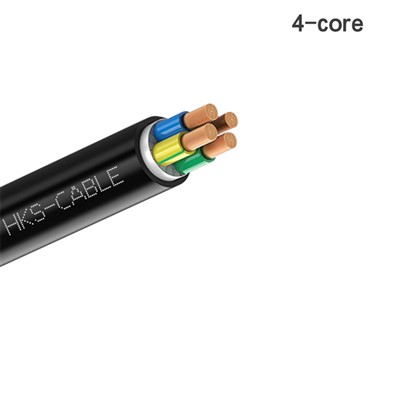
4 Core Electrical Power CableProduct FeaturesThe 4 Core Electrical Power Cable includes four high-purity copper conductors, proviread more -
![5 Core Cable]() 5 Core Cable5 Core Cable, a versatile solution for electrical projects. With color-coded cores for easy installaread more
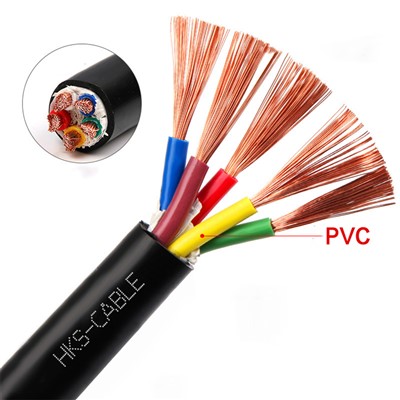
5 Core Cable5 Core Cable, a versatile solution for electrical projects. With color-coded cores for easy installaread more -
![RVVP Cable]() RVVP CableRVVP cables, also known as shielded flexible cables, are versatile electrical cables designed for varead more
RVVP CableRVVP cables, also known as shielded flexible cables, are versatile electrical cables designed for varead more -
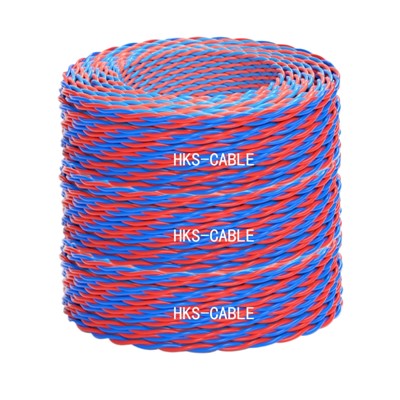
![PVC Cable Black]() PVC Cable BlackProducts Features1. Interference Resistance: Twisted pair design minimizes electromagnetic interfereread more
PVC Cable BlackProducts Features1. Interference Resistance: Twisted pair design minimizes electromagnetic interfereread more
Why Choose Us?
Rich Experience
The company has its self-owned factory in Chigang Town, Jieyang City, Guangdong Province, China, with a development history of fifteen years and extensive production experience.
Professional Team
It employs a large workforce, including over 100 advanced technical professionals, and maintains strong partnerships with numerous domestic and international enterprises.
Accept ODM
We provide high-quality OEM services following important standards according to different customer requirements, including special lengths, colors, insulation materials and production standards.
Complete Qualifications
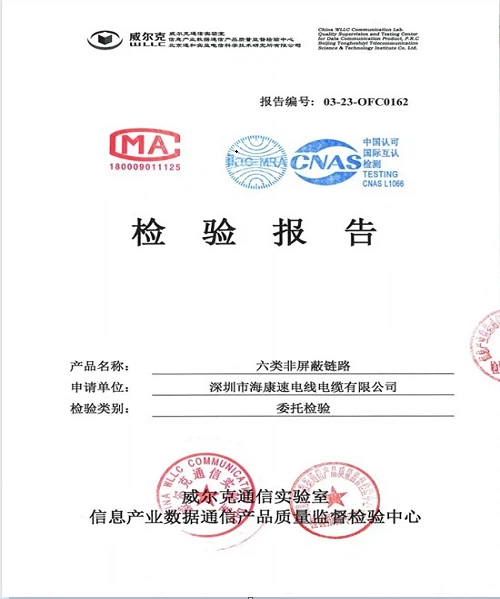
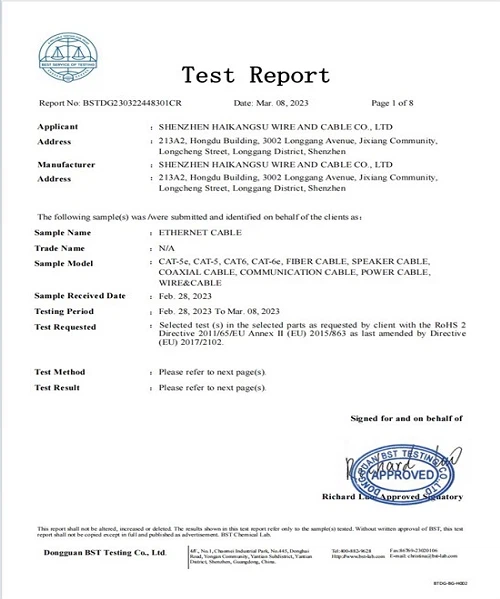
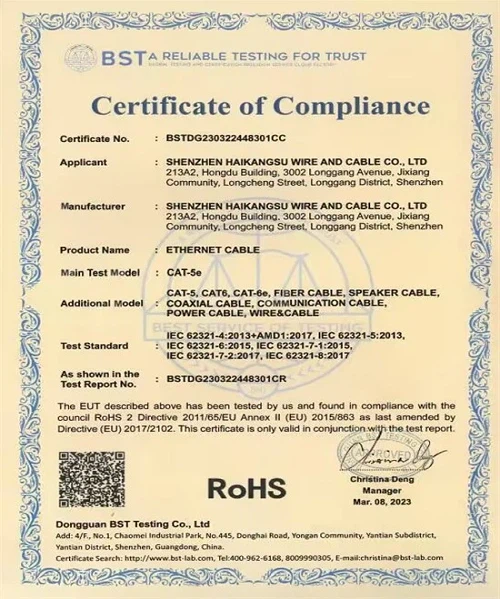
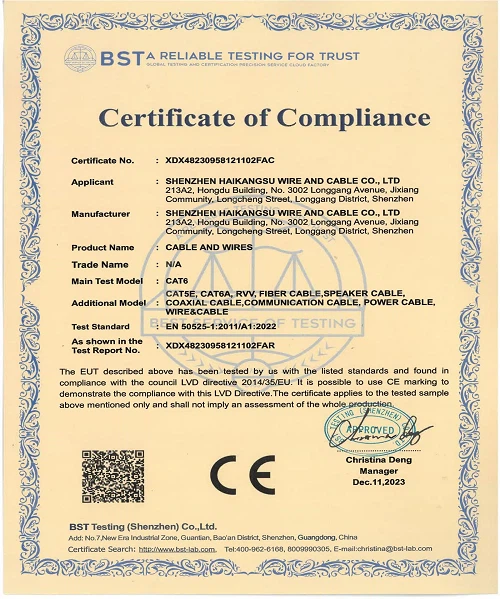
We supply cables and wires that conform to BSI, IEC standards, and Chinese national standards. Every aspect of our products and services undergoes rigorous checks to ensure that the products leaving the factory meet the standard requirements of our customers.
Types of Power Cable
PVC Cable Black
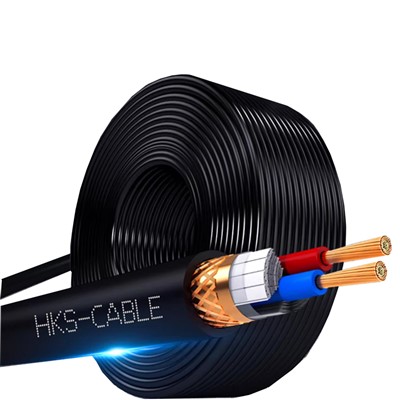
The Twisted Shielded Cable is a versatile and reliable cabling solution designed for a wide range of applications. With its twisted pair design, this cable offers exceptional interference resistance and signal integrity. The shielding ensures that your data remains secure and free from external disturbances.
RVVP Cable
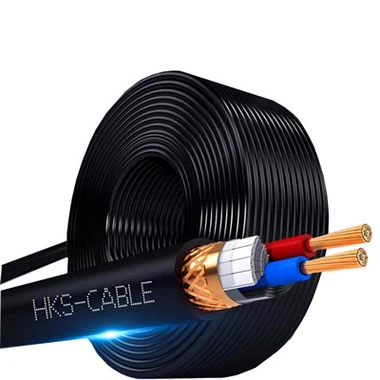
RVVP cables, also known as shielded flexible cables, are versatile electrical cables designed for various applications. They consist of multiple cores, typically ranging from 2 to 24 conductors, with flexible copper wires for efficient power or signal transmission.
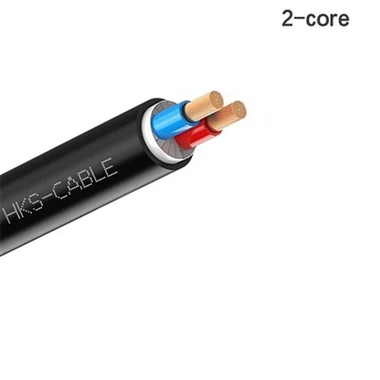
Double Core Cable
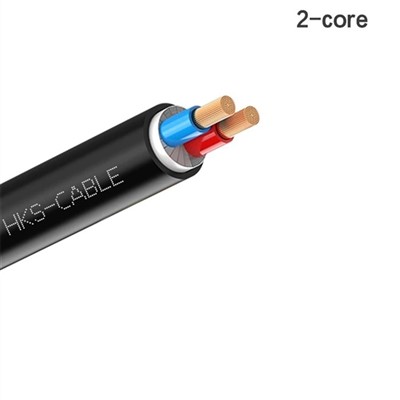
This is a high-quality 2-core cable suitable for various electrical and communication applications. Its dual-core design makes it highly flexible, easy to bend, and install.
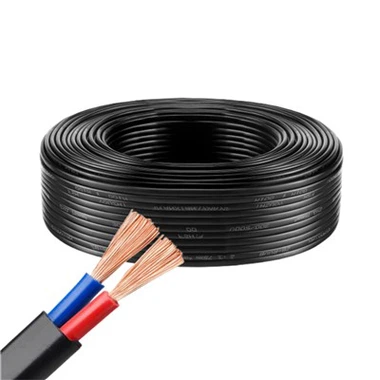
Outdoor Copper Electrical Wire
This wire is made with copper conductors, PVC insulation, and jacketing, ensuring it meets safety standards with a temperature range of -20°C to 60°C. It is UL 758 and UL 1581 approved, with certifications including RoHS, CE, and UL for indoor electrical wiring applications.
2 Core Flexible Copper Wire
2 Core Flexible Copper Wire is a flexible electrical cable typically consisting of two copper conductors and is used in a variety of applications. This wire is designed for low-voltage electrical connections and provides excellent electrical performance and reliability.
|
Specification Item |
Description |
|
Conductor Count |
Typically 2-50 cores, specific Specifications can be customized as per requirements |
|
Conductor Material |
High-purity copper conductor |
|
Insulation Material |
High-quality insulation material, typically PVC or other customized materials |
|
Shielding |
Aluminum foil shield and tinned copper braided shield |
|
Outer Sheath Material |
PVC or other abrasion-resistant, weather-resistant material |
|
Rated Voltage |
Typically up to 300V, but can be customized based on application requirements |
|
Temperature Rating |
Can operate within the range of -20°C to +80°C depending on Specifications and application |
|
Standards Compliance |
Customized according to international electrical standards or customer requirements |
|
Application Areas |
Industrial automation, control systems, surveillance equipment, audio-video transmission, etc. |
|
Packaging |
Coiled, on spools, or customized as per customer requirements |
Color-Coded Cores: Our 5-Core Cable features distinct color-coding for each core, simplifying installation and minimizing connection errors.
Durable Jacket: The cable boasts a robust outer jacket, protecting against abrasion, moisture, and environmental factors for long-lasting performance.
Versatile Application: Suitable for various applications, including power distribution, industrial machinery, lighting systems, and more, making it a versatile choice for multiple projects.Safety Assurance: Compliant with industry safety standards, this cable prioritizes safety, offering peace of mind in all electrical installations.
Easy Installation: The cable's flexibility and manageable weight make it easy to handle, saving time and effort during the installation process.
Product video
Customization Options
Type
LOW VOLTAGE
Size
0.5-240mm2(Customizable)
Core
1 Core/Multi-core(Customizable)
Cross section
0.5mm2-240mm2
MOQ
100 Meters
Rated voltage
300/500V
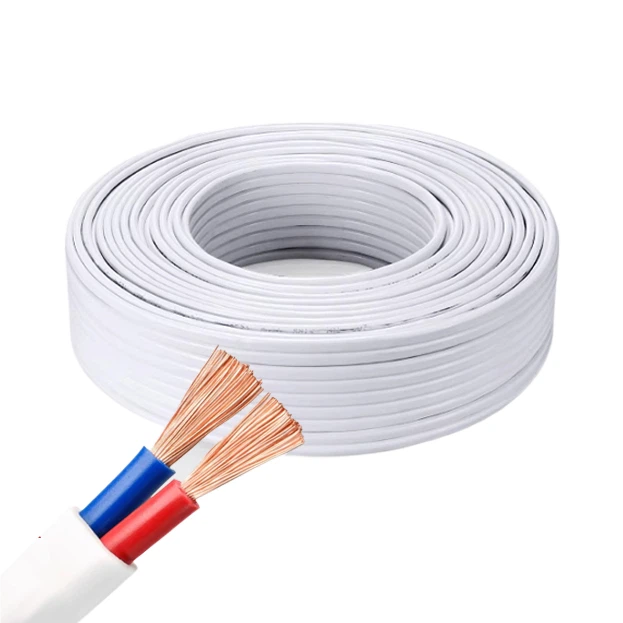
Cable Placement and Routing:
Lay cables directly inside the cable carrier.
Ensure every cable has room to move freely.
Use interior shelving or separators to organize cables.
When crossing cables, do so at right angles to avoid cross-talk.
Use different cable trays for high-current and low-current wiring, keeping them at least 30 cm apart.
Rigidly attach cable trays at multiple points.
Application Scope of Power Cable
Residential Applications
In residential settings, common power cables include low voltage cables for general wiring, flexible cables for appliances, and armoured cables for outdoor installations.
Commercial Applications
Commercial buildings often use medium voltage cables for distribution, flexible cables for office equipment, and insulated cables for lighting and HVAC systems.
Industrial Applications
Industrial environments require robust cables such as armoured cables for machinery, medium voltage cables for distribution, and submersible cables for wet areas. Industrial power cables must withstand harsh conditions, provide high performance, and ensure the safety and reliability of critical operations.
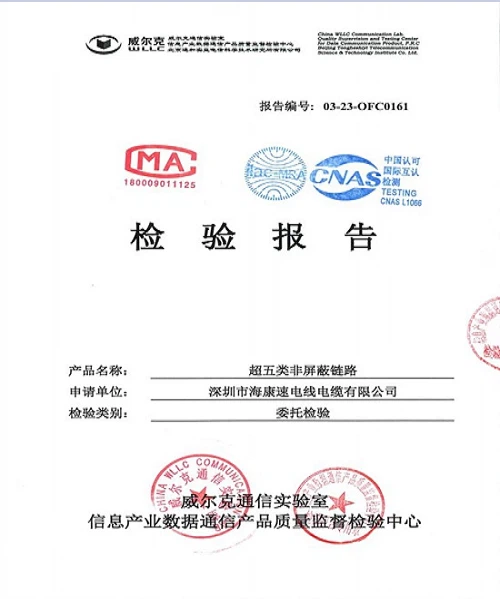
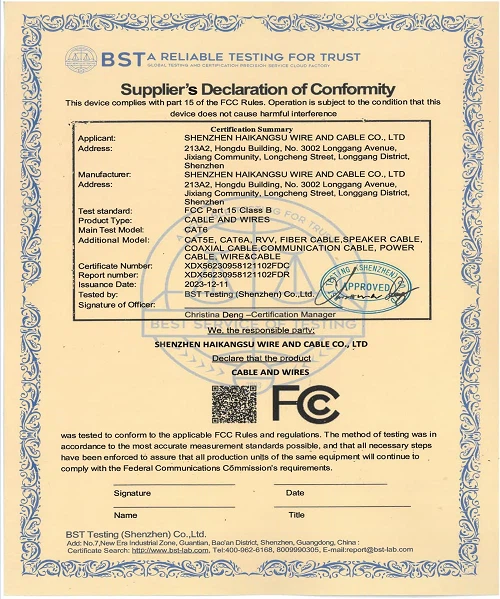
Certificate
|
Shipping |
By logistics; by automobile; by train; by shipping; by air. |
|
Payment |
L/C; T/T; Paypal; West Union; MoneyGram etc. |
FAQ