
Coaxial Cable
Your Leading Coaxial Cable Supplier
Shenzhen HaiKangSu wire & Cable Co., Ltd., is a professional integrated trading company specializing in the production and processing of copper-core cables and wires. A coaxial cable is a type of two - conductor electrical cable. It consists of a center conductor that is encased in insulation, and this insulation is then surrounded by a braided shield which serves as the outer conductor. It consists of a central conductor, an insulating layer, a metal shield, and an outer insulating layer. The design of coaxial cable allows for efficient transmission of signals with minimal interference.
-
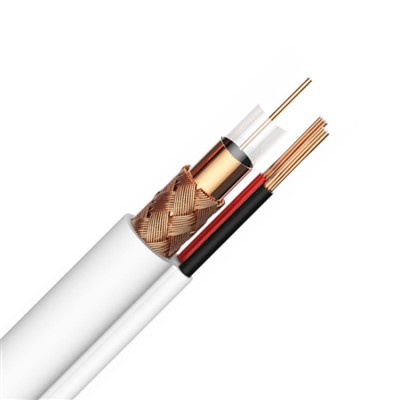
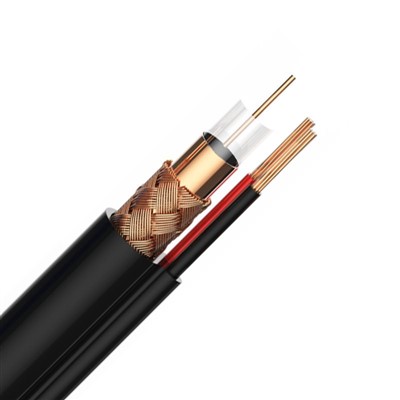
![White RG59 With Power Cable]() White RG59 With Power CableProducts FeaturesSuperior Signal Transmission: The white RG59 Coaxial Cable delivers exceptional audread more
White RG59 With Power CableProducts FeaturesSuperior Signal Transmission: The white RG59 Coaxial Cable delivers exceptional audread more -
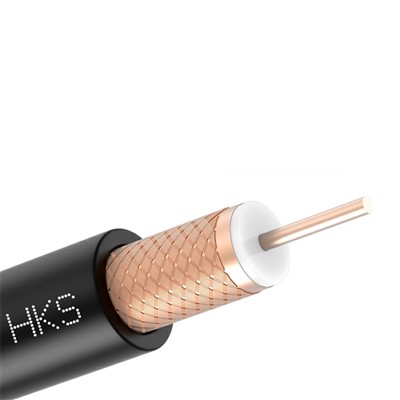
![RG59 coaxial cable for cctv]() RG59 coaxial cable for cctvProduct FeaturesHigh-fidelity signal transmission: Delivers crystal-clear audio and video signals, mread more
RG59 coaxial cable for cctvProduct FeaturesHigh-fidelity signal transmission: Delivers crystal-clear audio and video signals, mread more -
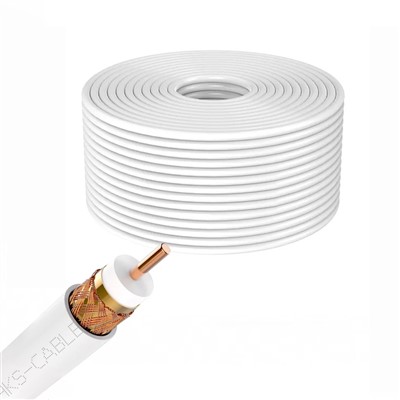
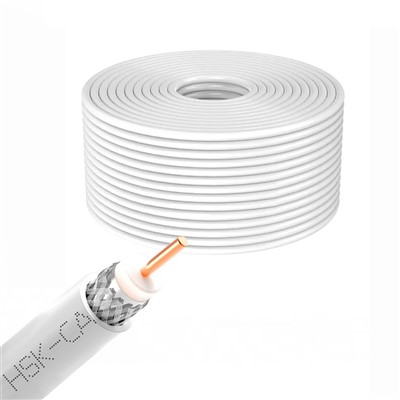
![White RG59 Coaxial Cable]() White RG59 Coaxial CableWhite RG59 Coaxial Cable is a professional-grade coaxial cable widely used in television, satellite,read more
White RG59 Coaxial CableWhite RG59 Coaxial Cable is a professional-grade coaxial cable widely used in television, satellite,read more -
![RG59 with Power Cable]() RG59 with Power CableRG59 with Power Cable is a high-performance cable designed for video surveillance and power supply nread more
RG59 with Power CableRG59 with Power Cable is a high-performance cable designed for video surveillance and power supply nread more -
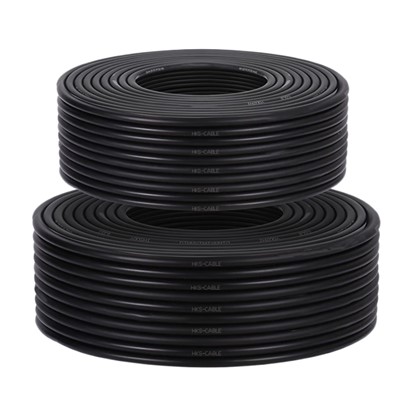
![Power Cable With Coaxial CCTV Cable RG59 Black]() Power Cable With Coaxial CCTV Cable RG59 BlackProducts FeaturesPremium Coaxial Cable: Utilizes high-quality RG59 coaxial cable for exceptional vidread more
Power Cable With Coaxial CCTV Cable RG59 BlackProducts FeaturesPremium Coaxial Cable: Utilizes high-quality RG59 coaxial cable for exceptional vidread more -
![RG6 coaxial cable white]() RG6 coaxial cable whiteProduct Features:The White RG6 Coaxial Cable delivers superior audio and video transmission with excread more
RG6 coaxial cable whiteProduct Features:The White RG6 Coaxial Cable delivers superior audio and video transmission with excread more -
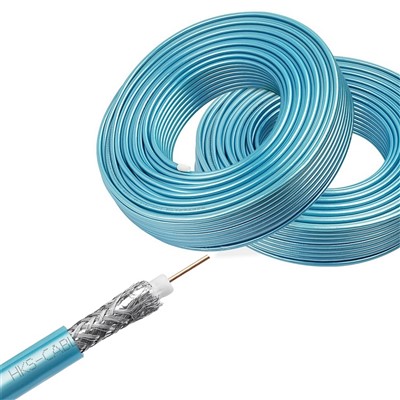
![RG6 Coaxial Cable for HD CCTV]() RG6 Coaxial Cable for HD CCTVProduct Features:RG6 Coaxial Cable for CCTV ensures high-quality video transmission with a solid copread more
RG6 Coaxial Cable for HD CCTVProduct Features:RG6 Coaxial Cable for CCTV ensures high-quality video transmission with a solid copread more
Why Choose Us?
Rich Experience
The company has its self-owned factory in Chigang Town, Jieyang City, Guangdong Province, China, with a development history of fifteen years and extensive production experience.
Professional Team
It employs a large workforce, including over 100 advanced technical professionals, and maintains strong partnerships with numerous domestic and international enterprises.
Accept ODM
We provide high-quality OEM services following important standards according to different customer requirements, including special lengths, colors, insulation materials and production standards.
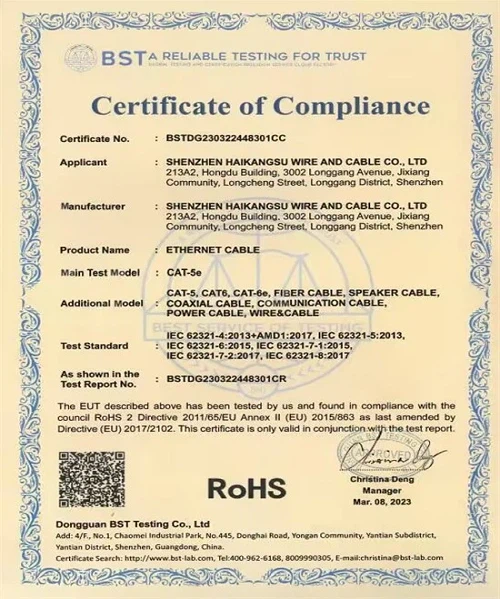
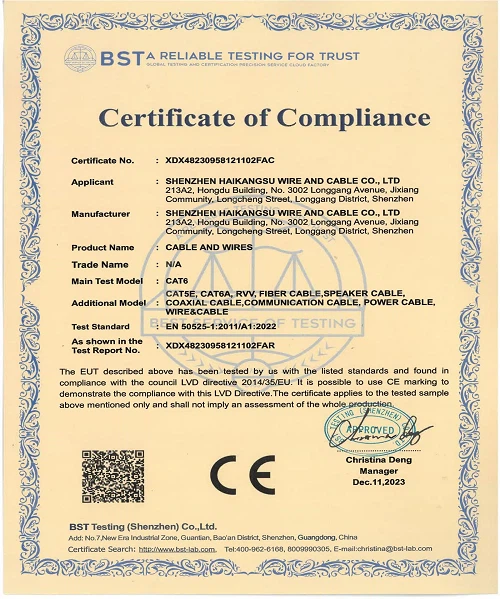
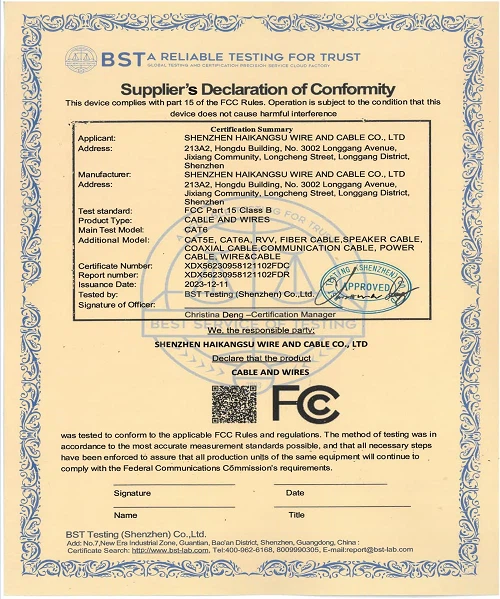
Complete Qualifications
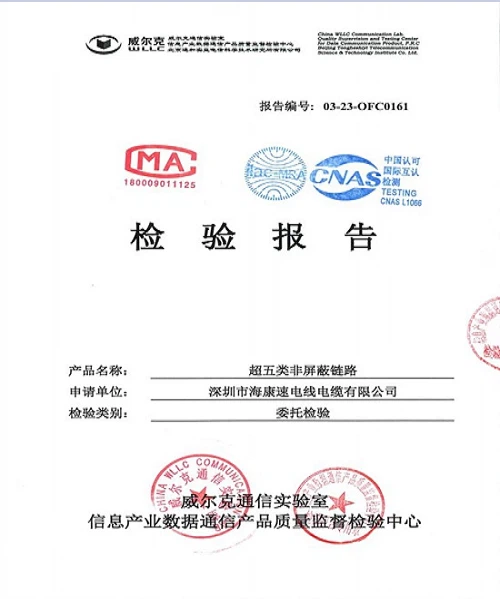
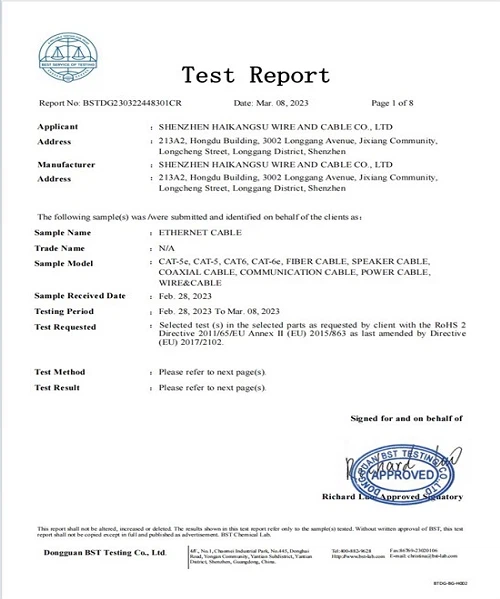
We supply cables and wires that conform to BSI, IEC standards, and Chinese national standards. Every aspect of our products and services undergoes rigorous checks to ensure that the products leaving the factory meet the standard requirements of our customers.
Types of Coaxial Cable
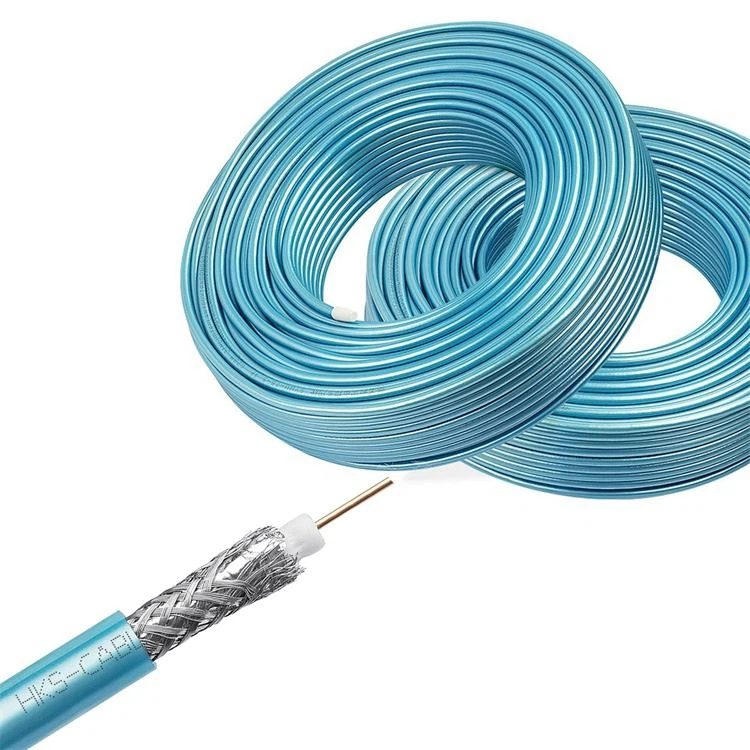
RG6 Coaxial Cable
RG6 coaxial cable is a heavier gauge cable designed for high-bandwidth, high-frequency applications. It is commonly used for internet, cable TV, and satellite TV signals. The larger conductor and thicker dielectric insulation of RG6 cable allow for better signal quality and improved performance.
RG59 Coaxial Cable
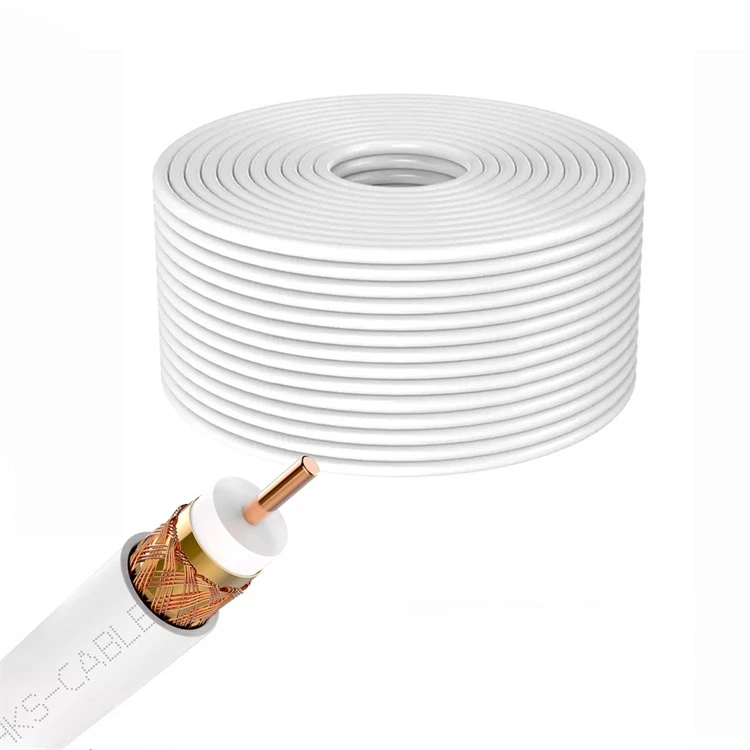
RG59 is a versatile coaxial cable with a characteristic impedance of 75 ohms, designed for general-purpose use. It is suitable for indoor, outdoor, or underground applications. RG59 can effectively transmit baseband signals, broadcast frequencies, and audio and video signals over distances up to 100 feet.
|
Color |
Black |
|
Impedance |
75 Ohms |
|
Conductor Material |
Copper |
|
Shielding |
Dual (Foil and Braid) |
|
Jacket Material |
PVC |
|
Cable Length |
Customizable |
|
Operating Temperature |
-20°C to +80°C |
|
Applications |
CCTV, CATV, Satellite systems |
Features of Coaxial Cable
Dual Functionality
Our RG59 with power cable combines video and power transmission, simplifying installation for surveillance cameras and other video equipment.
01
High-Quality Copper Conductor
The cable features a high-purity copper conductor, ensuring reliable signal transmission and minimal signal loss.
02
Weather-Resistant Jacket
Designed for outdoor use, the cable's weather-resistant jacket protects it from environmental factors, ensuring durability.
03
Easy Installation
With a single cable for both video and power, installation is straightforward and hassle-free.
04
Versatile Applications
Suitable for a range of applications, from security cameras to video intercom systems, this cable is a versatile choice for various setups.
05
Product video
Customization Options
Jacket material: PVC/PE
>>
Conductor: bare copper/CCS
>>
Shielded coverage: 30%--100%
>>
Application: CCTV System
>>
Resistant: 75ohm
>>
Color: Customizable
>>
Length: Customizable
Usage of Coaxial Cable
Cable TV
If you have cable TV, coax cables carry video and data from the cable company to your TV. They’re also used to connect your television or digital converter box to a personal antenna.
Cell Phone Signal Boosters
Cellular signal boosters use an outdoor antenna, an amplifier, and an indoor antenna to boost cellular signal and deliver it even stronger inside your home, office, or vehicle.
Cable Internet (Copper-Based)
Cable internet uses coax cable to provide your home with internet. The copper-based cable is piped into your house from the cable service provider. Your router or cable modem connects to a coax or ethernet outlet to receive the signal. You can then wire your devices to the router or connect via WiFi for speedy internet access.
Ham Radio
Ham radio is a means for people to communicate over airwaves. Coaxial cable connected to the antenna provides a stronger signal. Ham radios can be set up in the middle of nowhere and do not require internet or cell phone technology.
Basic RF Systems
RF (Radio Frequency) waves are generated when an alternating current goes through a conductive material. Coax cables carry radio frequency signals. They can be used with any RF system.
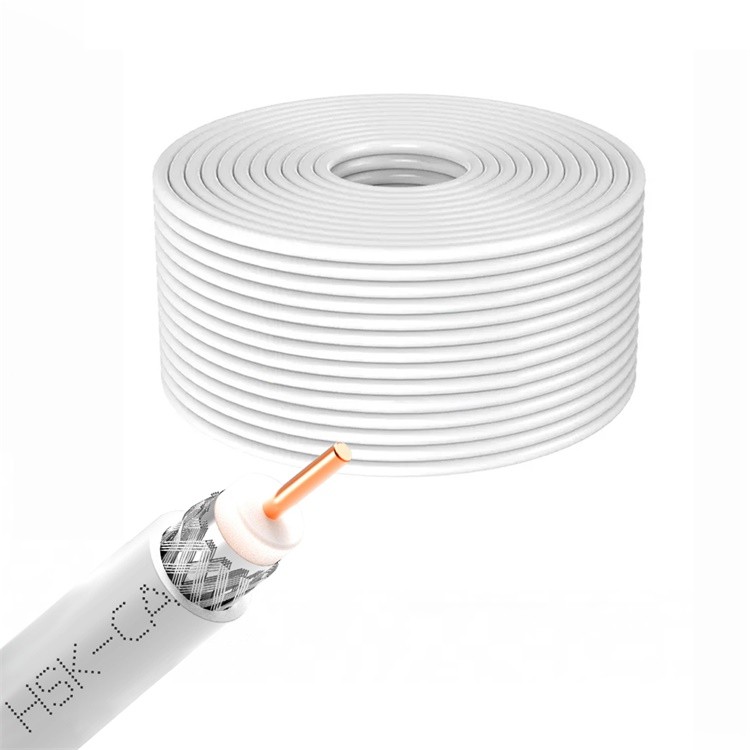
Prepare the cable: Measure and cut the coaxial cable to the required length, leaving some extra slack for potential adjustments.
Strip the cable: Use the cable stripping tool to carefully remove the outer jacket and shielding, exposing the inner conductor.
Attach connectors: Depending on the connectors chosen, either compress or crimp them onto the stripped ends of the cable.
Route the cable: Carefully run the cable along the planned path, avoiding sharp bends and potential sources of interference.
Terminate the cable: Connect the other end of the cable to the appropriate devices, such as modems, TVs, or routers.
Test the installation: Use a coaxial cable tester to verify the continuity and signal quality of the installed cable.
|
Shipping |
By logistics; by automobile; by train; by shipping; by air. |
|
Payment |
L/C; T/T; Paypal; West Union; MoneyGram etc. |
Certificate

FAQ